

6 Ways Stress Shows Up in the Body — Beyond Anxiety

Share
Stress is often framed as racing thoughts, overwhelm, or irritability. But the truth is this: stress shows up in the body long before we consciously “feel” anxious.
Our nervous system is always scanning for threats — physical, emotional, or environmental — and the stress response can quietly shift how we breathe, digest, sleep and even how our skin looks.
Research shows that stress is far more widespread than many realise. A survey by the Mental Health Foundation, UK, reported that 74% of adults felt so stressed they were overwhelmed or unable to cope. Chronic stress is linked to a cascade of physiological changes that operate beneath the surface — ones that many people mistake for random health issues.
In this blog, we explore six hidden stress symptoms you might not associate with stress, plus natural ways to support your body through these shifts. This isn’t about quick fixes — it’s about daily rituals that help bring your system back into balance, like breathwork, movement, and natural adaptogens used for centuries.
1. Digestive Upset & Bloating
Your gut is one of the first places stress shows up. That’s because the digestive system and brain are in constant communication through the gut-brain axis. When stress hormones spike, digestion slows down — the body is prioritising survival, not nutrient absorption.
Common stress-related gut changes include:
- Bloating after meals
- Irregular bowel movements
- Sensitivity to foods that were once fine
- Loss of appetite or increased cravings
Research suggests that stressful life events can alter gastrointestinal function and significantly change the structure and activity of the gut microbiome, which in turn may influence digestion and immune responses in the body
DIRTEA Ritual Tip:
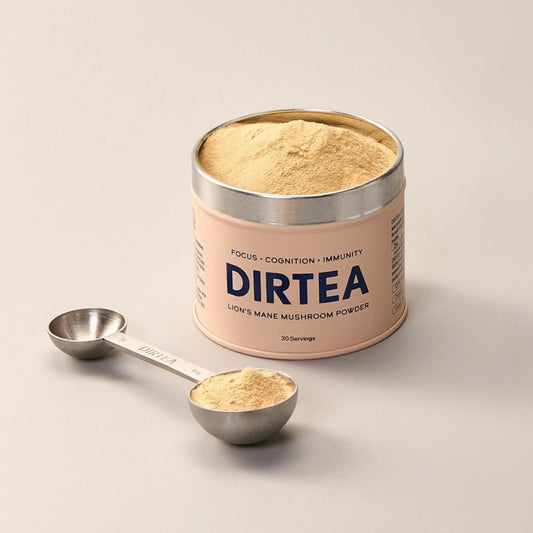
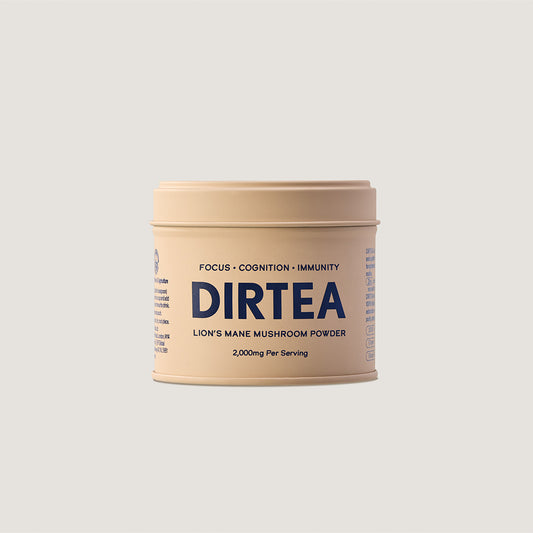
Incorporate calming rituals before meals: a few deep breaths, a warm drink, and distraction-free eating. Many people also weave in DIRTEA Lion’s Mane to support focus and digestion as part of their morning ritual.
2. Tight Muscles, Jaw Clenching & Body Tension
Stress doesn’t just live in the mind — it lives in the muscles. When the stress response activates, the body prepares to “fight or flee,” causing tension across the shoulders, back, neck and jaw.
You might not feel anxious, but you might:
- Wake up with a clenched jaw
- Hold tension in your shoulders
- Experience unexplained headaches
- Notice your posture collapsing at your desk
Muscle tension is one of the most common silent responses to prolonged cortisol release.
DIRTEA Ritual Tip:
Pair magnesium-rich foods with gentle stretching in the evening. Many customers enjoy replacing their late-night screen scroll with DIRTEA Reishi Calm Powder mixed into cacao to unwind naturally.
3. Skin Flare-Ups & Inflammation
Skin is often a direct reflection of our internal environment. When stress hormones rise, the body releases inflammatory markers that can trigger breakouts, irritation, dryness and flare-ups of existing conditions.
A scientific review notes that while short-term stress is part of the body’s normal adaptation process, long-term stress can aggravate skin conditions like acne, psoriasis and eczema by disrupting the HPA axis, increasing inflammation and altering the skin’s immune responses — showing that the skin is not just a barrier, but an active organ deeply affected by prolonged stress.
Watch for signs like:
- Redness or sudden sensitivity
- Spots along the jawline
- Dry, reactive skin
- Slower healing
DIRTEA Ritual Tip:
Hydration is key. Tremella — the “beauty mushroom” — is known for holding almost 500 times its weight in water. Many people add DIRTEA Tremella to their daily ritual for inside-out hydration and glow.
4. Low Energy, Fatigue & Afternoon Crashes
Stress hormones are meant to be short-term helpers. But when they're elevated daily, the body enters a cycle of exhaustion.
Low energy can show up as:
- Struggling to wake up
- Afternoon fatigue around 3–4pm
- Feeling “wired but tired” at night
- Relying on caffeine more than usual
DIRTEA Ritual Tip:
Support your energy cycle with grounding morning rituals. Cordyceps, known in traditional wellness for stamina and natural vitality, fits beautifully into a balanced daily routine. Combine with breathwork, movement and consistent meals for steadier energy.
5. Forgetfulness, Brain Fog & Poor Focus
Cortisol affects the hippocampus — the area of the brain responsible for clarity and memory. During prolonged stress, people commonly report:
- Short-term forgetfulness
- Difficulty concentrating
- Reduced creativity
- Mental fatigue
These aren’t character flaws — they’re signs your brain is overloaded.
DIRTEA Ritual Tip:
Start your day with intention. A short walk in natural light, paired with DIRTEA Lion’s Mane Focus Powder, can help gently sharpen clarity and support mental performance — bringing your mind back into flow, not force.
6. Sleep Disturbances & Restless Nights
Even if you feel calm during the day, stress can reveal itself at night.
Common stress-linked sleep symptoms:
- Waking up between 2–4am
- Trouble falling asleep
- Vivid or restless dreams
- Feeling unrefreshed despite 7–8 hours of sleep
Your nervous system may still be in a hyper-alert mode, making it harder to sink into deep rest.
DIRTEA Ritual Tip:
Evening wind-down routines make a huge difference — dim lighting, limited screens, and grounding drinks like DIRTEA Reishi Calm Powder or DIRTEA Cacao.
How to Support the Body Through Hidden Stress
If you’re experiencing one — or several — of these symptoms, know this:
Your body isn’t malfunctioning. It’s communicating.
Here are gentle ways to regulate your stress response daily:
1. Create predictable daily rituals
Your body feels safe with consistency. Morning and night rituals lower cortisol variability.
2. Breathe consciously
Slow, deep breathing instantly signals “all is well” to your nervous system.
3. Move your body
Walks, stretching and resistance training help metabolise stress hormones.
4. Prioritise nutrient-dense foods
B vitamins, zinc, magnesium and healthy fats support the stress response.
5. Explore adaptogens & functional mushrooms
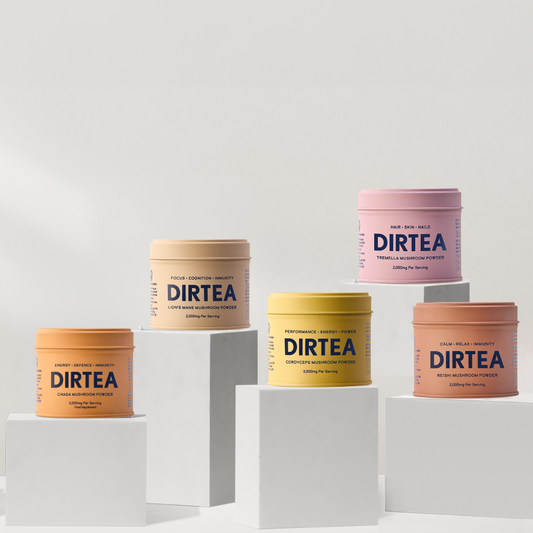
Reishi, Lion’s Mane, Tremella, Chaga and Cordyceps have long histories of use for balance, clarity and vitality — and DIRTEA makes it easy to add them to daily rituals.
6. Sleep as a non-negotiable
Short, shallow sleep intensifies every stress symptom. Build a restful night routine that supports your circadian rhythm.
Final Thoughts
If stress is showing up in your body in unexpected ways, a simple daily ritual can help anchor your mind and nervous system.
Explore DIRTEA Reishi for rest, Lion’s Mane for clarity, Tremella for glow, or Cordyceps for sustained energy — all organically sourced, dual-extracted and beautiful additions to your wellness routine.
FAQs
Are these hidden stress symptoms normal?
Yes — stress shows up differently in each person. Many physical symptoms are simply your body’s way of trying to adapt.
Can stress cause digestive issues?
Yes. Through the gut-brain axis, stress can affect motility, stomach acid, and microbiome balance.
What is the fastest way to calm the stress response?
Deep breathing with a long exhale is one of the quickest ways to signal calm to your nervous system.
Which DIRTEA products support stress balance?
Reishi (Calm Powder) for rest, Lion’s Mane for clarity, and Tremella for hydration and skin-related stress symptoms.
Can stress show up even if I don’t feel anxious?
Absolutely. Many people experience physical symptoms before emotional ones.
References
Mental Health Foundation. (2018). Stress: Are We Coping? Mental Health Foundation. https://www.mentalhealth.org.uk/sites/default/files/2022-08/stress-are-we-coping.pdf
Margolis, K. G., Cryan, J. F., & Mayer, E. A. (2021). The microbiota-gut-brain axis: From motility to mood. Gastroenterology, 160(5), 1486–1501. https://doi.org/10.1053/j.gastro.2020.10.066
The Institute for Functional Medicine. (2024). The impact of stress on gut health. https://www.ifm.org/articles/gut-stress-changes-gut-function The Institute for Functional Medicine
Bobok, N., & Taskesen, T. (2025). Stress-induced changes of the skin: A narrative review. Cureus, 17(11), e96285. https://doi.org/10.7759/cureus.96285