The Quiet Burnout: When Socialising Becomes Exhausting

Share
The Burnout No One Talks About
The end of the year is a time filled with brightness — celebrations, reunions, dinners, getaways, office gatherings, family traditions. Yet beneath the sparkle, many people secretly feel something very different: exhaustion.
Social burnout, sometimes called “people fatigue,” is a lesser-discussed form of mental overload that emerges when constant interaction drains more energy than it gives. Unlike classic workplace burnout, this is emotional and sensory: too many conversations, too many decisions, too little time to reset.
According to the American Psychological Association (APA) holiday stress survey, 44% of women and 31% of men reported feeling more stressed than usual during the holiday season. Also, according to the Kentucky Counselling Center, continuous social interaction — both online and in person — can become mentally exhausting due to constant demands for attention, pressure to stay available, and overstimulation, making it essential to set boundaries and balance social time with moments of solitude to protect emotional well-being
Socialising is meant to fill our cup — but without boundaries and recovery, it can quietly empty it.
This blog explores why social burnout happens, what’s happening in the brain when connection becomes overwhelming, and how rituals — including calming adaptogens — can help you replenish your energy.
What Is Social Burnout?
Social burnout is emotional and cognitive exhaustion triggered by prolonged interaction, social obligations, and limited alone time. It often builds gradually, especially during high-social seasons.
Signs of Social Burnout:
- Feeling “drained” after events that once felt enjoyable
- Dreading plans you looked forward to
- Needing silence or isolation to reset
- Experiencing irritability or emotional overwhelm
- Struggling to focus after heavy social weeks
- Feeling pressure to be “on”
End-of-year gatherings combine multiple triggers: overstimulation, emotional labour, decision fatigue and intensified expectations.
Why Socialising Can Become Exhausting — Especially in December
1. Overstimulation: Too Much Noise, Too Much Input
Crowded venues, overlapping conversations, music, lights, travel logistics — all activate the brain’s sensory processing network. When this input doesn’t pause, the body remains in a heightened state of alertness.
This overstimulation makes it harder for the mind to shift into calm, reflective states. Without recovery, the nervous system may feel frayed.
2. Decision Fatigue from Endless Plans
Where to go? What to wear? Who to buy gifts for? How long to stay?
These micro-decisions pile up quickly.
Decision fatigue — the depletion of mental energy caused by excessive choices — is strongly linked to decreased cognitive flexibility and increased emotional reactivity. In festive seasons, decisions multiply: shopping lists, schedules, calendars, coordinating travel, and navigating social expectations.
The brain tires long before the body.
3. Emotional Labour: The Hidden Drain
During gatherings, people often carry an invisible burden:
- managing the tone of conversations
- smoothing over tensions
- supporting loved ones
- regulating their own reactions
- keeping everyone comfortable
This emotional labour requires subtle cognitive effort. By the tenth event of the month, it becomes a quiet but powerful drain on wellbeing.
4. Lack of Solitude
Solitude is not loneliness — it’s replenishment. It’s the pause that resets your mind.
Research consistently shows that intentional solitude can restore cognitive resources, regulate emotions and reduce stress. When our schedules are stacked, those recovery pockets disappear.
Humans were never meant to be “always available.” Even extroverts need downtime to process, reflect and reset.
5. The Expectation to Be Joyful
December carries an unspoken script: be cheerful. But the demand to be upbeat — regardless of energy levels or personal circumstances — adds performance pressure to already busy schedules.
Social burnout often arises not from the events themselves but from the expectation to match the festive mood, even when the mind and body feel depleted.
How to Recover from Social Burnout (and Prevent It Next Time)
Quiet burnout requires gentle, intentional restoration. Here’s how to support your mind and body through seasonal overload.
1. Build “White Space” Into Your Calendar
Don’t fill every slot simply because it’s open. Choose:
- One key event per week
- A rest day after major gatherings
- Blocks of unstructured time
Calendar cushioning allows your nervous system to process and settle.
2. Create Solitude Rituals That Replenish
Solitude doesn’t need to be long — it needs to be qualitative.
Try:
- Slow morning brew before social days
- A quiet walk after events
- Tech-free 20 minutes before bed
- Breathing rituals to reset your mind
This is where daily adaptogenic rituals fit beautifully.
DIRTEA Ritual Suggestion:
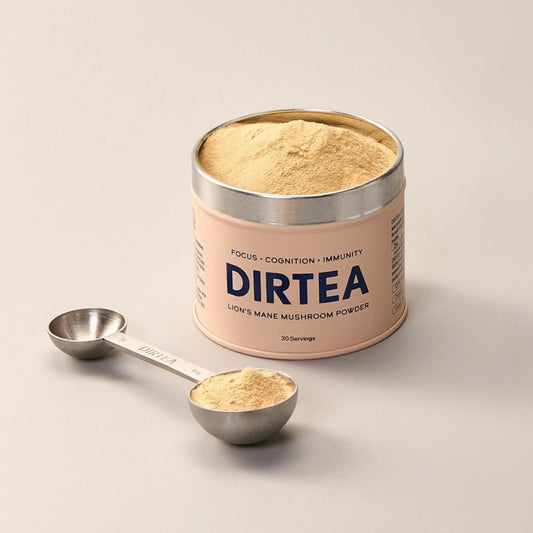
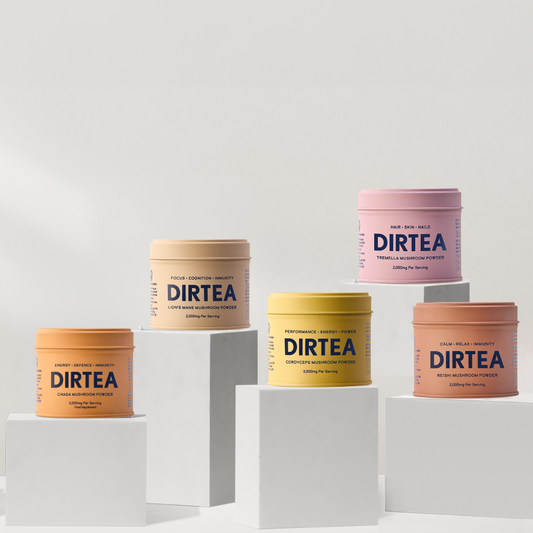
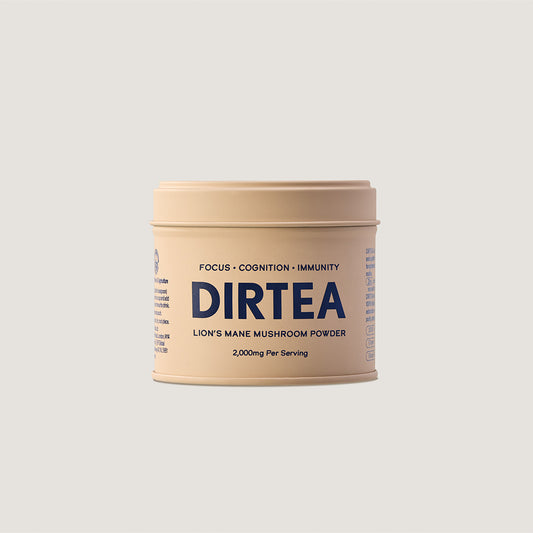
- Lion’s Mane (Focus Powder) — ideal for grounding racing thoughts during busy social periods. With organic zinc supporting normal cognitive function, it's a soothing way to begin mentally clear.
- Reishi (Calm Powder) — traditionally linked with relaxation rituals, Reishi pairs well with end-of-day solitude. Its organic vitamin B12 contributes to normal psychological function — supportive during emotional overload.
3. Give Yourself Permission to Opt Out
Social obligations often feel mandatory — but they rarely are.
Your emotional energy is a limited resource. Choosing one meaningful event over four draining ones is an act of self-preservation, not selfishness.
4. Practise Sensory Downtime
After overstimulation, your senses need quiet.
Try:
- Dim lighting
- Soft instrumental music
- Herbal or mushroom-infused warm drinks
- Light stretching
- Breath-led grounding
These micro-moments help the body's stress response unwind.
5. Nourish Your Internal Energy System
B vitamins such as B12 and B5 support normal energy metabolism and psychological function. When combined with adaptogenic mushrooms, they form a ritual that supports the mind during intense social seasons.
DIRTEA’s powders and gummies are formulated with functional mushrooms and select essential vitamins, making them simple to weave into daily recovery practices.
6. Reconnect with Comforting Routines
After weeks of unpredictability, return to:
- consistent wake/sleep times
- familiar meals
- daily movement
- journaling
- your favourite warm evening drink
Ritual cues tell your body: “You’re safe to unwind.”
A Subtle Moment for You
DIRTEA exists to support the quiet moments — the ones that bring you back to yourself after sensory overload and emotional fatigue. Whether you’re unwinding with Reishi Calm Powder, resetting with Lion’s Mane Focus, or enjoying a vitamin-enriched Super Blend, each sip is a gentle pause in a busy world.
If you’re feeling the quiet burnout of endless plans, explore the DIRTEA collection and build a ritual that restores calm, clarity and balance — one cup at a time.
FAQs
What is social burnout?
Social burnout is emotional and cognitive exhaustion caused by prolonged social interaction, overstimulation and limited personal downtime.
Why does socialising feel harder during the festive season?
More events, more decisions, more emotional labour and less solitude all contribute to fatigue and overwhelm.
Which DIRTEA products help with end-of-year burnout?
- Reishi Calm Powder for grounding and evening rituals
- Lion’s Mane Focus Powder for cognitive clarity
- Super Blends for an easy daily dose of mushrooms + essential vitamins
How can introverts and extroverts manage social fatigue?
Both need intentional downtime. Introverts may need more solitude; extroverts may need quieter sensory breaks between events.
Does taking adaptogens help with holiday stress?
Many people use adaptogens like Reishi and Lion’s Mane within daily rituals to support calm and focus. While not treatments, they can be soothing additions to wellbeing routines.
References
American Psychological Association. (2006). Holiday stress survey. APA News Release, December 2006. Retrieved from https://www.apa.org/news/press/releases/2006/12/holiday-stress.pdf
Kentucky Counseling Center. (2025, February 17). How overstimulation can affect your mental well-being. Kentucky Counseling Center. https://kentuckycounselingcenter.com/how-overstimulation-can-affect-your-mental-well-being/