Anti-Inflammatory Living (Without the Food Rules): 7 Everyday Habits That Support a Calmer Body

Share
If you’ve ever Googled “anti-inflammatory living” and been met with a list of foods you’re “allowed” and “not allowed”, you’re not alone. The problem? Food rules often create more stress — and stress is one of the biggest real-life drivers of a body that feels inflamed, wired, puffy, foggy, or simply not quite right.
This is a different approach: support, don’t punish.
Because inflammation isn’t the enemy. It’s a normal, protective process your body uses to respond to injury, infection, and stress. The goal isn’t to “eliminate inflammation” (you can’t — and you wouldn’t want to). The goal is to reduce the chronic, background strain that keeps your system on high alert.
Below are 7 everyday habits that can support a calmer body — without restriction, extremes, or perfection — alongside simple DIRTEA rituals you can weave into real life.
What inflammation actually is (and why it’s not always “bad”)
Inflammation is your body’s built-in protection system. When you get a cut, catch a virus, or even do a tough workout, inflammation helps you recover. That short-term response is part of how your body heals and adapts.
What tends to feel not so great is chronic, low-grade inflammation — the kind that can build when life becomes a loop of stress, poor sleep, ultra-processed convenience, long sitting hours, and not enough recovery.
So instead of chasing “perfect anti-inflammatory foods”, focus on the habits that help your body return to baseline — more often, more gently.
The real-life drivers: stress, sleep, ultra-processed foods, sedentary days
Most of us aren’t living in a wellness retreat. We’re living in meetings, commutes, late-night scrolling, and “what’s for dinner?” fatigue.
A few modern realities worth knowing:
-
Ultra-processed foods are everywhere. According to a survey, processed foods are a significant part of the UK adult diet; they’ve been estimated to account for 54% of total energy intake.
-
In the UK, national diet survey data found that only 9% of adults aged 19–64 meet the 30g/day fibre recommendation.
This isn’t a guilt-trip — it’s context. When the environment makes supportive choices harder, the answer isn’t stricter rules. It’s small shifts that actually stick.
7 everyday habits that support a calmer body (without the food rules)
1) Start with a “soft morning” (even 5 minutes counts)
How you start your day can set your nervous system tone. If you wake and immediately sprint into emails, caffeine, and rushing, your body stays in “go” mode.
Try:
- 5 slow breaths before getting out of bed
- A short stretch while the kettle boils
- Stepping outside for daylight exposure
DIRTEA ritual: Make your first drink a ritual, not a rush. DIRTEA Matcha, which includes Lion’s Mane, can be a calm-energy alternative to a second coffee, pairing naturally occurring L-theanine from matcha with Lion’s Mane as part of a focused routine (without making big claims).
2) Add movement snacks (not “workouts”)
Anti-inflammatory living isn’t about punishing workouts — it’s about reducing long sedentary blocks.
Try:
- 2–5 minutes of walking every hour
- Taking calls standing up
- 10 bodyweight squats while brushing your teeth
DIRTEA ritual: On busier days, support your “move more” intention with a pre-walk routine like DIRTEA Cordyceps Performance Powder or Cordyceps Gummies as part of your performance ritual (Cordyceps blends also include vitamin B12, which contributes to normal energy-yielding metabolism).
3) Eat for fibre addition, not restriction
Instead of cutting things out, choose one thing to add: fibre. Fibre supports gut function and can help you feel steadier and more satisfied — without rules.
Simple “additions”:
- Add berries to breakfast
- Add beans to a salad/soup
- Add chia/flax to yoghurt
- Add one extra veg at dinner
A helpful target (not a test): most guidelines land around 25–30g/day — but you don’t need to hit it overnight. Build slowly, and increase water too.
DIRTEA ritual: If you’re upgrading your day anyway, pair your fibre habit with a mindful drink like DIRTEA Cacao in the evening — a “close the kitchen” cue that doesn’t involve restriction.
4) Hydrate like it’s recovery (because it is)
Hydration is one of the most underrated “calmer body” habits. When you’re slightly dehydrated, you can feel more headachy, hungrier, more tired, and less resilient.
Try:
- A glass of water before coffee
- A bottle on your desk that you actually like using
- Herbal tea as an afternoon reset
DIRTEA ritual: Use DIRTEA Tremella Beauty Powder as part of your hydration ritual — think “inside-out glow routine” paired with water, tea, or smoothies (Tremella blends contain zinc, which contributes to normal immune function and skin health).
5) Create a “steady plate” (without banning anything)
A steadier body often comes from steadier blood sugar, steadier energy, and fewer spikes and crashes — not from strict elimination.
A simple formula:
- Protein + fibre + colour + healthy fats
- Then add what you love — without shame
Examples:
- Eggs + sourdough + avocado + spinach
- Chicken/tofu + rice + veg + olive oil
- Yoghurt + nuts + fruit + seeds
DIRTEA ritual: If you’re prone to the 3pm dip, try DIRTEA Focus Gummies (Lion’s Mane + B vitamins) as part of an afternoon routine alongside a balanced snack — a supportive bridge that helps you stay consistent rather than reaching for an “all or nothing” fix.
6) Downshift your nervous system before bed
Sleep is when your body does a lot of its repair and recalibration work. When sleep is consistently short or disrupted, many people notice they feel more sensitive, puffy, foggy, or reactive.
If you only change one thing this week, try:
- A consistent wind-down time
- Screens off 30 minutes earlier
- A quick “brain dump” journal list
DIRTEA ritual: Build a night-time cue with DIRTEA Reishi Calm Powder (with vitamin B12, which contributes to normal psychological function and reduction of tiredness and fatigue). Think of it as a boundary in a mug — a signal to soften the day.
7) Use the “support, don’t punish” mindset (the real multiplier)
This is the habit underneath all the others.
Instead of:
-
“I was bad today.”
Try:
- “What would support me right now?”
Instead of:
-
“I need to fix myself.”
Try:
- “My body’s asking for something.”
Because the most “anti-inflammatory” shift for many people is reducing the pressure, guilt, and hyper-control that keeps the stress response switched on.
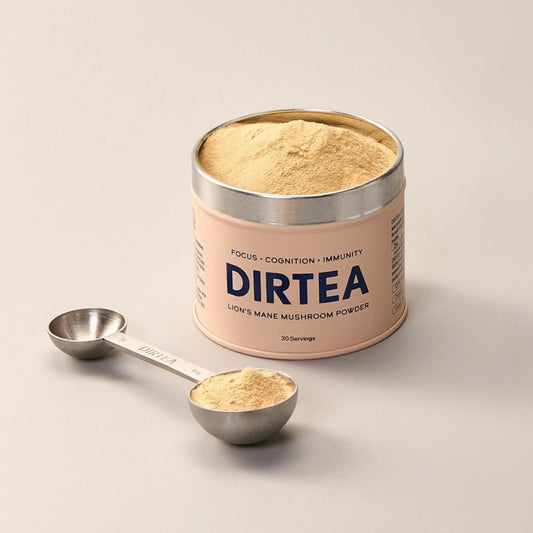
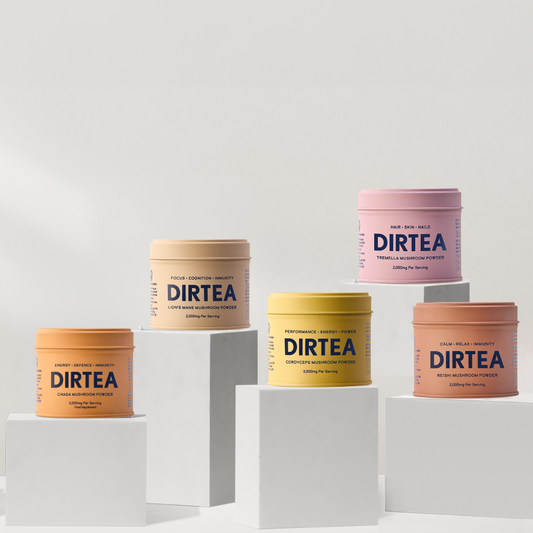
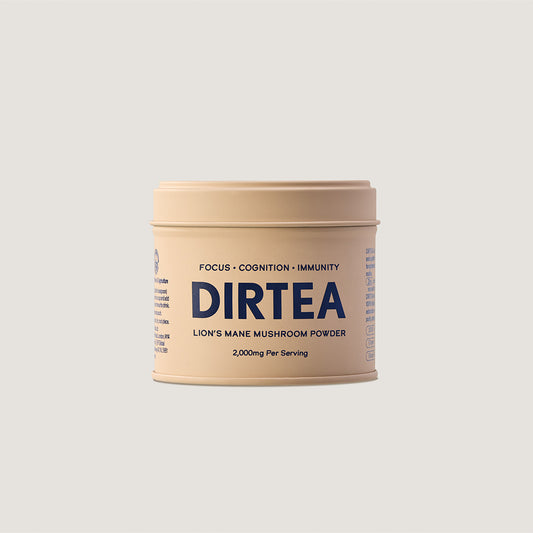
DIRTEA ritual: Choose one daily anchor you genuinely enjoy — Chaga Immunity Powder, Lion’s Mane Focus Powder, Reishi Calm, Cordyceps Performance, or gummies — and let it be your consistent “I’m supporting myself” moment.
A simple 7-day “calmer body” starter plan
No overhaul. Just one focus per day.
- Day 1: Add a 5-minute walk
- Day 2: Add one fibre food
- Day 3: Add a morning daylight step outside
- Day 4: Add a hydration reminder
- Day 5: Add a steady-plate lunch
- Day 6: Add a wind-down cue (Reishi ritual)
- Day 7: Add self-kindness: support, don’t punish
Repeat what worked. Keep what felt good. Drop the rest.
The bottom line
Anti-inflammatory living isn’t a diet. It’s a rhythm. A collection of small, repeatable habits that help your body feel safer, steadier, and more resilient — without rules, restriction, or perfection.
If you want a simple place to start, pick one DIRTEA ritual that fits your day (Focus, Calm, Immunity, Performance, Beauty), and pair it with one supportive habit from the list above. That’s how you build momentum — gently, consistently, and in a way your life can actually hold.
Note: This article is for general information only and isn’t medical advice. If you have a medical condition, are pregnant/breastfeeding, or take medication, speak with a healthcare professional before making significant changes to diet or supplements.
FAQs: Anti-Inflammatory Living
Is inflammation always bad for the body?
No — inflammation is a natural and protective process. It helps your body heal, fight infection, and recover from stress or injury. The focus isn’t on removing inflammation entirely, but on reducing chronic, low-grade inflammation that can build when the body is under constant pressure from stress, poor sleep, sedentary habits, and lack of recovery.
Do I need to follow a strict anti-inflammatory diet?
No. Anti-inflammatory living doesn’t require rigid food rules or elimination plans. In fact, restriction itself can increase stress, which may work against feeling calmer. A more supportive approach is to focus on adding nourishing habits — fibre, hydration, movement, sleep rhythms, and daily rituals — rather than banning foods.
Can lifestyle habits really influence how my body feels day to day?
Yes. Small daily habits — like consistent movement, better sleep routines, hydration, and stress regulation — can have a cumulative effect on how regulated and resilient your body feels. These shifts are often more sustainable and impactful than short-term detoxes or extreme protocols.
How do DIRTEA products fit into an anti-inflammatory lifestyle?
DIRTEA products are designed to fit into daily rituals, not quick fixes. Whether it’s Reishi Calm in the evening, Lion’s Mane Focus in the morning, Cordyceps for active days, or Chaga as part of an immunity routine, they’re intended to support consistency, rhythm, and wellbeing habits — not replace lifestyle foundations like sleep, nutrition, and movement.
What’s the easiest habit to start with?
Hydration, gentle movement, or a simple daily ritual drink are often the easiest entry points. They’re low-effort, easy to repeat, and help build momentum without pressure — which is key for long-term change.
References
Bussa, M., et al. (2025). Identifying the patterns of ultra-processed food consumption in UK adults and their sociodemographic correlates. Public Health Nutrition. PMC
Public Health England. (2020). National Diet and Nutrition Survey (NDNS): Results from Years 9 to 11 (2016/17 to 2018/19) – Statistical summary. GOV.UK. GOV.UK