Stress Snacking: The Biology Behind Emotional Eating

Share
Why We Reach for Snacks When We’re Stressed
You’re not imagining it: the moment a tough email lands or life feels overwhelming, the urge for crisps, chocolate or biscuits suddenly spikes. That’s stress snacking – a form of emotional eating where we reach for food to cope with feelings rather than physical hunger.
You’re also far from alone. A large UK poll found that, among adults who experienced stress, 46% reported they ate too much or ate unhealthily because of stress. Mental Health Foundation And in a national study of over 5,800 adults, around 20.5% said they emotionally ate “often” or “very often”
So if stress cravings have you raiding the cupboard, it isn’t a lack of willpower – it’s biology. Let’s unpack what’s really going on in your brain and body, and where adaptogens for emotional eating and calm supplements (including DIRTEA’s mushroom + vitamin blends) can gently support your response.
What Is Emotional Eating?
Emotional eating is when you use food to soothe or distract from feelings like stress, anxiety, boredom, sadness or even celebration – rather than responding to true physical hunger.
Typical signs of emotional eating and stress cravings:
-
Sudden, urgent desire for specific “comfort foods” (usually sweet, salty or high-fat)
-
Hunger that appears quickly, rather than building gradually
-
Eating mindlessly, often in front of screens
-
Feeling guilty, sluggish or “wired then tired” afterwards
-
Noticing a strong link between your stress levels and snacking patterns
The Biology of Stress Cravings
When you’re stressed, your body isn’t just dealing with a feeling – it’s running a full physiological programme.
1. The stress response (cortisol)
When your brain detects a threat (anything from a deadline to an argument), it activates the HPA axis (hypothalamic–pituitary–adrenal axis). This releases stress hormones like cortisol and adrenaline.
Cortisol’s job is to mobilise energy so you can “fight or flee”. In the short term, it can:
-
Boost blood sugar
-
Sharpen focus
-
Temporarily blunt appetite
But with ongoing stress, cortisol can stay elevated and start to disrupt appetite-regulating hormones (like ghrelin and leptin), nudging you towards more frequent eating and energy-dense foods.
2. Comfort food and your brain’s reward system
Highly palatable foods – think chocolate, pastries, pizza – light up your dopamine and opioid pathways, the brain’s “reward centre”. Over time, your brain learns:
Stress → snack → brief relief.
That’s why stress cravings often fixate on specific foods. Your nervous system is literally predicting, “This will make me feel better.”
3. Blood sugar highs (and crashes)
Stress can destabilise your blood sugar. Combine that with a quick hit of refined carbohydrates or sugar, and you get:
-
A rapid rise in blood glucose
-
A spike in insulin
-
A subsequent crash – leaving you tired, irritable and craving more quick energy
Cue the next round of stress snacking.
4. Emotion regulation, not just hunger
Emotional eating often functions as a coping strategy: food becomes a fast, socially acceptable way to self-soothe. Research suggests that difficulties with self-regulation and higher stress levels are strongly associated with more frequent emotional eating.
This is why simply “trying to have more willpower” usually isn’t enough. To change your relationship with stress cravings, it helps to support the underlying biology: stress response, mood, energy and sleep.
Adaptogens for Emotional Eating: Supporting Your Stress Response Naturally
Adaptogens are botanicals and mushrooms traditionally used to help the body adapt to stress and maintain balance. Rather than forcing one specific effect, they support your stress pathways more broadly – smoothing the peaks and troughs.
For emotional eating, the aim isn’t to “switch off” your appetite. It’s to:
-
Support a calmer baseline mood
-
Steady your energy
-
Nourish the nervous system
-
Make it easier to pause before acting on stress cravings
Functional mushrooms & stress
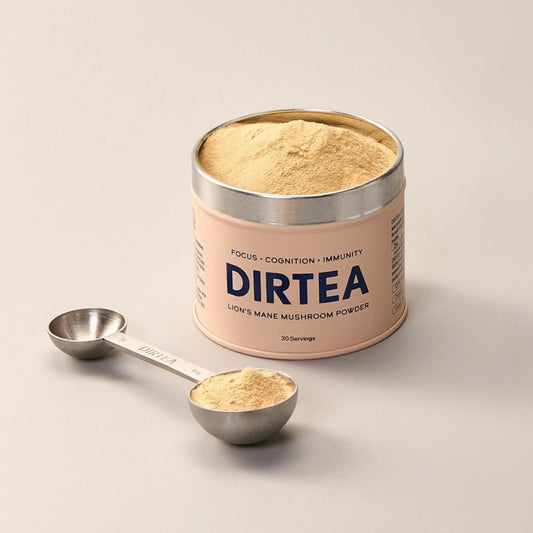
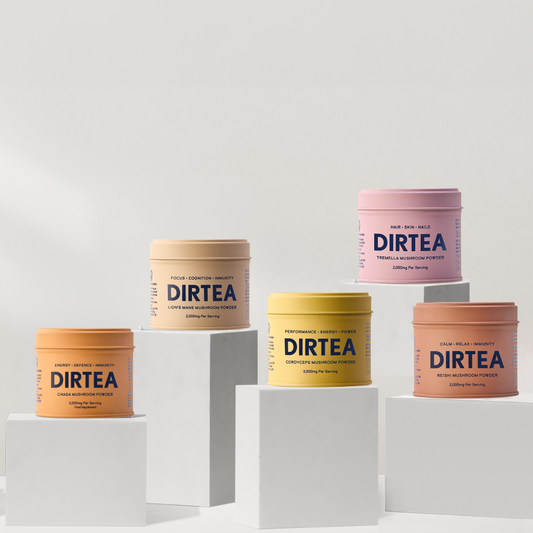
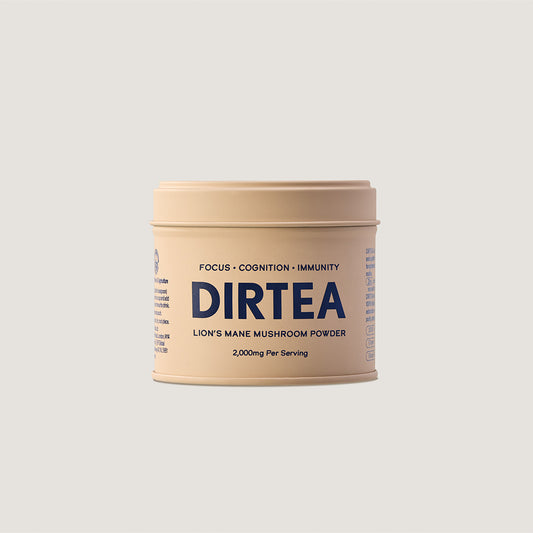
DIRTEA’s functional mushroom powders and blends draw on this adaptogenic approach, combining organic, dual-extracted mushrooms with carefully chosen vitamins known to support normal psychological function and energy-yielding metabolism.
Here’s how some of the hero mushrooms fit into a stress-supportive routine:
|
Mushroom (DIRTEA) |
Traditional role & modern interest* |
Added vitamins & their stress-relevant roles** |
|---|---|---|
|
Reishi (Calm Powder) |
Known as the “mushroom of calm” in traditional use; associated with relaxation and unwinding rituals. |
Fortified with vitamin B12, which contributes to normal psychological function and reduction of tiredness and fatigue. |
|
Lion’s Mane (Focus Powder) |
Traditionally used for clarity and focus; modern research explores its role in cognitive function and mood. |
Contains zinc, which contributes to normal cognitive function and protection of cells from oxidative stress – helpful when stress is high. |
|
Chaga (Immunity Powder) |
Historically used to support resilience and vitality. |
Fortified with vitamin B12, supporting energy-yielding metabolism when stress leaves you drained. |
|
Cordyceps (Performance Powder) |
Linked to stamina and endurance; ideal if stress leaves you exhausted yet wired. |
Also provides vitamin B12, supporting normal energy metabolism and reducing tiredness and fatigue. |
|
Tremella (Beauty Powder) |
Loved for hydrating, skin-supportive rituals. |
Includes zinc, which supports normal cognitive function and helps protect cells from oxidative stress. |
When you pair adaptogens for emotional eating with evidence-backed vitamins and minerals, you’re not “fixing” stress with a single supplement – you’re nourishing the systems that help you handle it.
Calm Supplements UK: What to Look For
If you’re exploring calm supplements in the UK to support stress cravings and emotional eating, consider:
-
Evidence-backed nutrients
-
Look for vitamins and minerals with authorised health claims (e.g. B12, B5 and zinc for psychological function, energy and cognition), rather than vague promises.
-
Quality of adaptogens
-
For mushroom-based calm supplements, check for fruiting body, dual extraction (water + alcohol) and third-party testing – all part of the DIRTEA standard.
-
Low sugar, no fillers
-
If you’re working with emotional eating, a “calm” supplement that’s packed with sugar isn’t ideal. DIRTEA powders and gummies are designed to fit into a more mindful, low-fuss ritual.
-
Ritual, not rescue
-
The most effective adaptogens for emotional eating are the ones you actually take consistently. Choose a format you enjoy – a nightly Reishi hot chocolate, a morning Focus Matcha, or on-the-go gummies.
Practical Ways to Break the Stress Snacking Loop
Supplements work best when they sit inside a compassionate, realistic lifestyle. Try layering these habits with your DIRTEA ritual:
-
Pause before the pantry
-
When stress cravings hit, take 5 slow breaths and ask: “Am I physically hungry, or emotionally uncomfortable?” There’s no judgement – just awareness.
-
Pair a craving with a calmer choice
-
If you still want a snack, have it with a grounding drink: for example, a small bowl of nuts or dark chocolate alongside Reishi Calm Powder or Lion’s Mane Matcha.
-
Front-load nourishment
-
Balanced meals rich in protein, fibre and healthy fats help stabilise blood sugar, making stress cravings less intense.
-
Support sleep
-
Poor sleep amplifies hunger hormones and reduces impulse control. An evening Reishi ritual, screen-free time and a consistent bedtime can make a noticeable difference.
-
Move your body (gently)
-
A 10-minute walk or stretch breaks the stress cycle, boosts mood and may reduce the pull towards the snack cupboard.
-
Get support when you need it
-
If emotional eating feels overwhelming or distressing, a GP, nutrition professional or therapist can offer personalised support. Supplements are there to support, not replace, professional care.
A gentler way to cope with stress
Stress snacking isn’t a moral failing. It’s your brain and body doing their best to cope. By understanding the biology behind emotional eating – and bringing in supportive tools like adaptogens for emotional eating, nutrient-dense calm supplements and intentional DIRTEA rituals – you can move from autopilot snacking to something softer, calmer and more conscious.
FAQs: Stress Snacking, Adaptogens & Calm Supplements
1. Are adaptogens for emotional eating a quick fix for stress snacking?
No. Adaptogens – including functional mushrooms like Reishi, Lion’s Mane and Chaga – work best as part of a consistent routine. They don’t “switch off” stress cravings overnight, but they can support your stress response, mood and energy over time, making it easier to build new habits.
2. When is the best time to take calm supplements for stress cravings?
-
Morning/Daytime: Lion’s Mane Focus Powder or Focus Gummies are ideal when you need mental clarity and steady energy instead of sugary snacks.
-
Afternoon Slump: Cordyceps or Chaga can support energy without the crash that often drives emotional eating.
-
Evening: Reishi Calm Powder works beautifully as a pre-bed ritual when late-night stress snacking tends to kick in.
3. Can I take DIRTEA mushrooms alongside other calm supplements?
Many people stack DIRTEA with other lifestyle and nutrition strategies. However, if you’re on medication, pregnant, breastfeeding or managing a medical condition, always check with your GP or healthcare provider before adding new supplements.
4. Will taking Reishi or Lion’s Mane stop emotional eating altogether?
No supplement can cure emotional eating. What DIRTEA’s mushroom powders and vitamin-fortified blends can do is support normal psychological function, energy and resilience – creating a calmer internal environment so you can make more conscious choices around food.
5. How do I start a simple anti-stress-snacking ritual with DIRTEA?
Try this:
-
Morning: Start with Lion’s Mane Focus Matcha or Focus Gummies instead of a sugary pastry.
-
Afternoon: Swap that second coffee + biscuit for Cordyceps Performance Powder in warm or iced water.
-
Evening: Wind down with a Reishi Calm cacao instead of dessert-style snacking.
Small, enjoyable changes – repeated daily – can slowly rewire how you respond to stress cravings.
References
Mental Health Foundation. (n.d.). Stress: statistics. https://www.mentalhealth.org.uk/explore-mental-health/statistics/stress-statistics
Elran Barak, R., Shuval, K., Li, Q., Oetjen, R., Drope, J., Yaroch, A. L., Fennis, B. M., & Harding, M. (2021). Emotional eating in adults: The role of sociodemographics, lifestyle behaviors, and self-regulation—Findings from a U.S. national study. International Journal of Environmental Research and Public Health, 18(4), 1744. https://doi.org/10.3390/ijerph18041744